Golf Club Maintenance Tips and Tricks for Lasting Performance
Regular care keeps golf clubs performing at their best and protects the investment for years. Scratches on the face, rust on the shaft, or dirt in the grooves can all reduce spin and distance. Professional golfers clean their clubs after every shot, but most amateurs see noticeable benefits with just a few minutes per week. Clubs exposed to moisture or left in a car trunk face a higher risk of warping or corrosion. Replacement costs for a single iron often reach over $100, making prevention far cheaper than repair.
Leaving wet clubs in a closed bag overnight is the most common cause of rust, which can ruin a set within one season.
How Cleaning Affects Your Shots

Dirt and grass on clubfaces cause shots to spin unpredictably and reduce control. Clean grooves grip the ball better, leading to more accurate distance and direction. Over time, neglected clubs lose performance and can even affect the feel of a great swing.
Grooves and Ball Control
Worn grooves on a wedge barely mark the cover of a new tour ball. On a damp morning, even a small amount of mud in the grooves sends approach shots skipping instead of stopping. Clean grooves create sharp edges that grip the ball at impact, boosting spin and helping the ball hold the green.
| Groove Condition | Spin Rate | Shot Height | Stopping Power | Feel at Impact |
|---|
| Brand new, deep grooves | High | High | Strong | Crisp |
| Lightly worn, clean | Medium | Medium | Moderate | Solid |
| Clean but shallow | Low | Low | Weak | Soft |
| Grooves with dry dirt | Low | Low | Reduced | Dull |
| Grass or mud packed | Very low | Very low | Minimal | Slippery |
Clubfaces clogged with debris allow shots to slide and run off target. A stiff nylon brush removes dried grass and restores groove edges after a round.
Club Face Build-Up Issues
A thin layer of dried grass and dirt clings to the face after a few holes on a wet course. Even a barely visible film can disrupt the way a seven iron compresses the ball, especially on half swings or from tight lies.
- Delivers consistent contact across different lies
- Reduces glare and reflections that can distract at address
- Reveals wear or micro cracks before they affect play
- Improves feedback through the hands on off center strikes
- Fine sand or fertilizer dust can scratch soft faces
- Frequent cleaning during play slows down the group
- Harsh brushes or towels leave permanent marks
Brushing away residue can be the difference between a ball curving back toward the flag or spinning unpredictably into trouble. Switching to a damp cloth instead of abrasive tools preserves both the surface and shot quality.
Consistent cleaning preserves the intended contact between club and ball. Visible buildup signals it is time to restore the clubface for steady results.
What Damages Golf Clubs Most Often
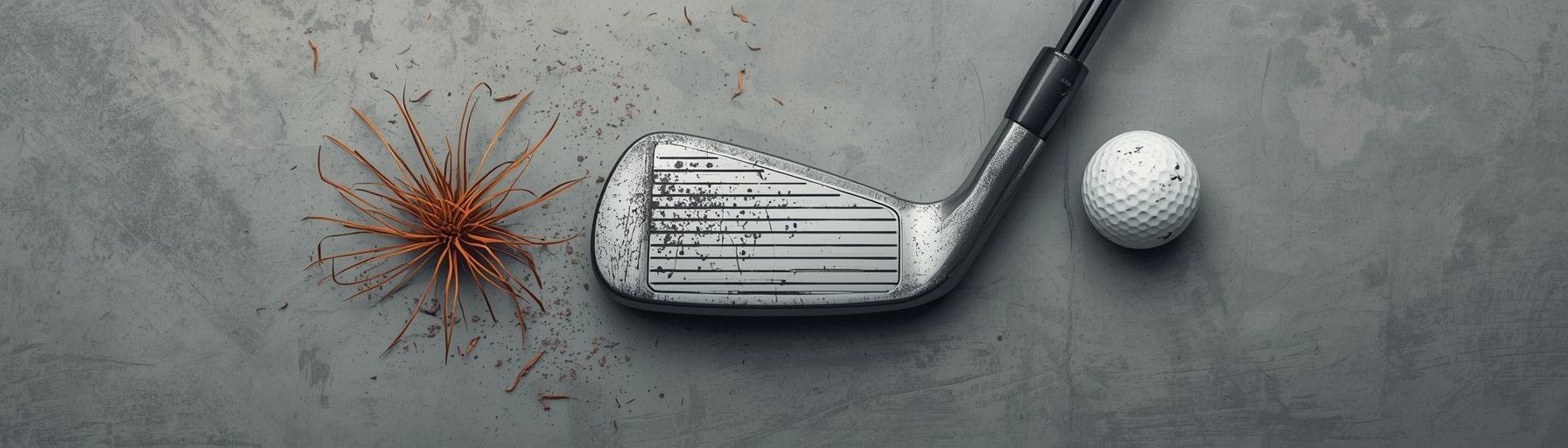
Moisture trapped in club covers or left on grips leads to rust and grip breakdown. Leaving clubs in a car trunk exposes them to extreme heat and cold. Accidental impacts, like dropping a bag or hitting hard surfaces, cause dents and weakened shafts.
A club stored after a rainy round without drying will often show rust spots within days. In contrast, clubs wiped down after play keep their finish and balance much longer.
Rubber or synthetic grips lose flexibility and crack faster in hot environments. Steel shafts bend or break after repeated knocks against concrete, making performance unpredictable.
Why Storage Choices Matter

Climate and humidity in a storage area can warp shafts, loosen club heads, and cause grips to crack over time. Clubs left in car trunks or damp garages often show early corrosion or weakened glue.
A closet indoors with steady temperature keeps clubs in much better shape than a shed exposed to summer heat or winter frost. Clubs stored wet in a bag develop rust spots faster than those wiped down and kept dry.
Avoiding temperature swings and excess moisture extends club life and preserves performance. Preventative storage choices save money and frustration over repeated repairs or replacements.
How Pros Maintain Their Clubs Differently
Professional golfers treat club maintenance as an essential part of their routine, investing time and precision that most casual players overlook. Their methods extend the life of each club and preserve performance in changing conditions. Amateurs often clean clubs less often and miss details that can affect shot accuracy.
Routine After Every Round
Professional golfers finish each round with a fast, methodical club check. Any overlooked residue can alter shot accuracy the next day.
After play, pros wipe down every club face–grooves cleared with a stiff brush to restore spin control. Dirt or grass left between grooves can cause the ball to fly unpredictably on approach shots.
Shafts get a quick inspection for nicks or rust spots, especially after damp rounds. Grips are checked for tackiness and wiped clean if sweat or sunscreen is detected.
A missed patch of mud in the grooves can change wedge performance for the worse. Tournament caddies often carry a separate towel just for club faces, ensuring nothing interferes with contact.
Long-Term Care Techniques
Professional tour vans often reveal a different rhythm of club care compared to casual routines. Instead of focusing on the daily aftermath of play, top players schedule deep cleaning and diagnostic inspections monthly or after every handful of tournaments. This routine targets subtle issues that only become visible over weeks of use, such as small cracks at the hosel or progressive shaft rust that goes unnoticed during quick surface wipes.
A single missed microfracture in the clubface or a grip that has developed a slight twist can disqualify a club from tournament play after inspection, even if it felt reliable the previous week.
The stakes for missing early wear signs are higher for professionals, potentially costing them a match or a season. Teams often use magnification tools and ultraviolet lights to find damage invisible to the naked eye, preventing small flaws from ending a run at the wrong moment.
Routine attention to detail gives professionals an edge in consistency and equipment lifespan. Small habits–like wiping grooves after every shot–make a measurable difference over a season.